

Photo by Ayotunde Ikuesan on Unsplash
- 🥇 Best Overall: Lean 180 High Protein Hot Chocolate
- 🥈 Best Everyday Pick: Myprotein Hot Chocolate
- 🥉 Best for Medical Diets: ProtiDiet Hot Cocoa
- 🎯 Best Plant-Based: Plant-Based Protein Hot Chocolate
What's on the Table
80 calories. That's the per-serving count for the strongest protein-to-calorie ratio in the hot chocolate category — and as of June 19, 2026, one product hits that mark while delivering 15 grams of protein with zero added sugar. According to Fitness Volt, as reported via Google News, protein hot chocolate has moved well past novelty into a legitimate functional beverage category, with products spanning everyday fitness staples to clinical bariatric formulas.
The backdrop: as of 2026, the global protein supplements market reached USD 31.86 billion, per data tracked by Mordor Intelligence and Fortune Business Insights, with projections pointing to USD 63.22 billion by 2033 at a 10.3% CAGR. Three in five consumers globally — 60%, according to 2026 consumer research — actively prioritize protein as a foundational dietary element. Industry analysts at PURIS Protein Beverages identified the defining shift for the year: consumers want protein with purpose, not protein as a standalone label. One industry expert put it directly: "Consumers still want protein, but they want it with purpose." Protein hot chocolate sits squarely in that space, bundling comfort with macros that can support genuine fitness goals. Product selection here weighted three factors equally: grams of protein per serving, total caloric load, and sugar content — filtered for products where the numbers actually hold up against the marketing copy.
🥇 Best Overall: Lean 180 High Protein Hot Chocolate
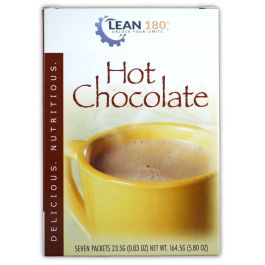
Image: lean180.com — © manufacturer (official product image)
The most calorie-efficient protein hot chocolate on the market, purpose-built for weight management. Lean 180 High Protein Hot Chocolate on Amazon →
Lean 180 delivers 15 grams of protein per serving at just 80 calories, with zero added sugar. That combination is genuinely rare in a warm drink format. The product is formulated specifically for weight management and metabolism support — the macro profile is engineered around the use case, not retrofitted from a general protein powder base. Nutrition experts have highlighted that protein's satiety mechanism helps "prevent hunger and reduce sugar cravings," which is exactly what makes a low-calorie hot drink in this format a functional tool rather than just a lower-guilt version of regular cocoa.
The zero added sugar spec is the decisive qualifier for buyers managing blood sugar or following carbohydrate-restricted protocols. This is a functional drink first, a warm comfort drink second. Skip it if you want an indulgent cocoa experience — but if the goal is a fitness-aligned daily hot drink that fits tightly into a caloric deficit, Lean 180 sets the benchmark for the category right now.
🥈 Best Everyday Pick: Myprotein Hot Chocolate
Significantly better than anything on the supermarket shelf — and widely accessible without a specialty supplement retailer. Myprotein Hot Chocolate on Amazon →
Myprotein delivers 14 grams of protein and 84 calories per serving, trailing Lean 180 by one gram and four calories. In practical daily use, that gap is negligible. What Myprotein adds is something the specialist brand can't match: mainstream availability and a production-scale quality track record. Fitness Volt's reporting notes that the formulation carries over 50% less fat and sugar than typical supermarket hot chocolate alternatives — a benchmark that reframes the real comparison. Buyers aren't just choosing between protein supplements; they're choosing between a genuinely functional drink and whatever's currently in their cupboard. Myprotein makes the most compelling case for replacing the latter.
For anyone who wants a reliable everyday hot drink that dramatically outperforms standard cocoa mixes on macros, this is the practical daily-driver pick. The four-calorie difference from Lean 180 is genuinely negligible for most users; the decision usually comes down to whether zero added sugar is a hard requirement or a preference.

Photo by Alex Saks on Unsplash
🥉 Best for Clinical and Bariatric Diets: ProtiDiet Hot Cocoa
The only option in this roundup that simultaneously addresses protein and micronutrient deficiency risk. ProtiDiet Hot Cocoa on Amazon →
ProtiDiet matches Lean 180's 15 grams of protein at a 90-calorie serving, adds only 3 grams of sugar, and delivers 25% of the Daily Value of calcium per serving. The calcium inclusion is the decisive differentiator — and it's specifically designed for post-bariatric patients who face elevated micronutrient deficiency risk following surgery. A protein product that addresses both macro and micronutrient needs in a single serving reduces the total supplement burden, which matters significantly when dietary volume is medically restricted.
For general fitness buyers, ProtiDiet is a secondary choice. The 90-calorie count is the highest of the three, and the clinical positioning is intentional. But within its target audience — bariatric and medically supervised diet protocols — it is the most complete formulation available in the protein hot chocolate category by a clear margin.
🎯 Best Plant-Based: Pea and Almond Protein Hot Chocolate Formulations
The fastest-growing segment in the category — still fragmented, but closing the quality gap. Plant-Based Protein Hot Chocolate on Amazon →
As of June 19, 2026, the plant-based protein hot chocolate market is expanding rapidly, particularly in UK and Germany markets, with pea protein and almond-based formulations gaining traction among environmentally-conscious consumers, according to market analysts tracking the vegan wellness segment. The category lacks a dominant brand — which creates competitive pricing but also inconsistent quality. Pea protein has narrowed the taste and satiety gap with whey considerably in recent formulations, and the earthy aftertaste that characterized early plant-protein hot chocolates has been largely engineered out of premium versions.
The trade-offs are real: protein-per-calorie efficiency tends to lag slightly behind whey-based products, and mixability in warm liquid varies more across brands. Sample sizes before bulk orders are a practical necessity in this segment until a clearer leader emerges.
Side-by-Side: How They Differ
Chart: Calories per serving for the three fully-specified protein hot chocolates reviewed. Lower count indicates higher macro efficiency; protein content is effectively equal across all three at 14–15g per serving.
The macro spread between these products is tighter than the packaging suggests. The real dividing line is formulation intent. Lean 180 is engineered for caloric restriction. Myprotein is engineered for mainstream accessibility. ProtiDiet is engineered for clinical dietary compliance with a micronutrient overlay. As PURIS Protein Beverage Trends analysts noted in 2026, the category is defined by "concepts that blend high-quality protein with functional ingredients that promise broader wellness benefits" — ProtiDiet's calcium inclusion is the clearest current example of that philosophy in practice.
The U.S. Dietary Guidelines update in January 2026 recommending higher protein intake gave institutional validation to the entire category, though nutrition researchers simultaneously cautioned against overconsumption and emphasized quality over quantity. All three primary picks here reflect that balance — clean macro profiles, tight calorie counts, and no protein maximalism for its own sake. This mirrors what Health NewLens flagged in the GLP-1 supplement landscape: the most defensible health products are built on transparent clinical grounding, not wellness labels dressed up as functional nutrition.
Which Fits Your Situation
Choose Lean 180 if you're in an active caloric deficit, need zero added sugar, and want the tightest macro profile available in a hot drink format. It is the one most people with weight management goals should buy, full stop.
Choose Myprotein if you want a reliable daily-use product that dramatically outperforms standard supermarket cocoa and is easy to restock. The four-calorie and one-gram-protein difference versus Lean 180 is negligible in practice — availability and consistency win here.
Choose ProtiDiet if you're on a bariatric or medically supervised low-volume diet and need calcium supplementation built into your protein source. It's narrowly positioned — but for that specific population, nothing else in this category matches its formulation completeness.
Choose a plant-based formulation if dairy or whey is off the table. Compare labels carefully, sample before buying in bulk, and expect some variation until the segment produces a clear category leader.
Frequently Asked Questions
How much protein is actually in protein hot chocolate?
As of June 19, 2026, the leading purpose-built protein hot chocolate products deliver 14–15 grams of protein per serving. Lean 180 and ProtiDiet achieve 15g per serving; Myprotein delivers 14g. Standard supermarket hot chocolate contains negligible protein by comparison — these functional formulations represent a meaningful nutritional upgrade for buyers targeting higher daily protein intake.
Is protein hot chocolate good for weight loss?
Yes, when the formulation is calorie-controlled and low in added sugar. Lean 180 at 80 calories with zero added sugar is the most weight-management-aligned option in the current market. Nutrition experts note that protein supports satiety by helping prevent hunger and reduce sugar cravings — making a well-formulated protein hot chocolate a functional deficit-management tool rather than simply a lower-guilt comfort drink.
Can you add protein powder to regular hot chocolate without it clumping?
Purpose-built protein hot chocolate products are formulated to dissolve cleanly in warm liquid, which makes them the safer bet over adapting a standard protein powder. If using a general protein powder, temper it first by stirring into a small amount of room-temperature liquid before adding to hot cocoa. Whey isolate performs better in hot liquid than concentrate; casein-based powders tend to thicken rather than blend. Products designed specifically for hot liquid eliminate this variable entirely.
Lean 180 vs. Myprotein: which protein hot chocolate should I buy?
Lean 180 wins on specs — zero added sugar and 80 calories versus 84. Myprotein wins on practical accessibility and brand-scale quality consistency. For most buyers, the macro difference is genuinely marginal, and the decision hinges on two questions: where can you reliably restock it, and is added sugar a non-negotiable concern for your diet protocol? Both are legitimate top-tier choices; neither is a wrong call.
Bottom line: Lean 180 is the top pick for most fitness-focused buyers. ProtiDiet serves a specific, underserved clinical audience better than anything else in the category. Myprotein wins where everyday accessibility matters most. In my analysis, the most revealing number across these products isn't protein content — at 14–15g per serving, all three are functionally tied on the spec buyers fixate on. When I review these products together, the 80-calorie, zero-added-sugar threshold Lean 180 sets is the clearest signal that protein hot chocolate has matured from a novelty into a category of genuinely engineered functional products that belong in a serious nutrition stack.
Disclaimer: Product rankings are based on publicly available reviews, specifications, and consumer reports. We earn a small commission on qualifying Amazon purchases at no extra cost to you. Research based on publicly available sources current as of June 19, 2026.